PEX vs. Kitec Plumbing: What’s the Difference?
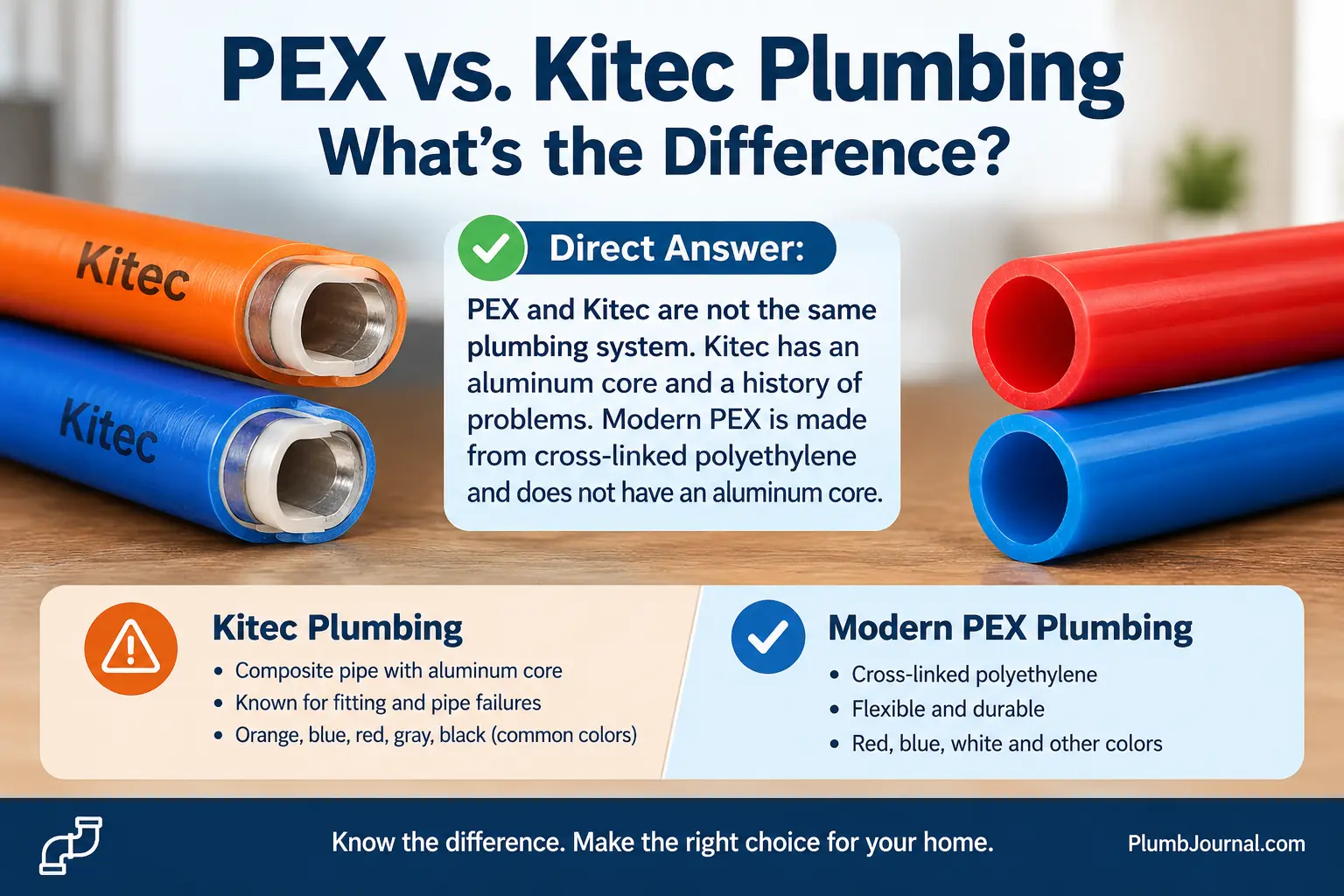
PEX and Kitec are not the same plumbing system. Kitec is a legacy composite piping system with an aluminum core and a history of problems involving certain brass fittings and pipe failures. Modern PEX tubing is made from cross-linked polyethylene and does not have an aluminum core.
If your home has Kitec plumbing, a licensed plumber can inspect the pipes and fittings and help you decide whether repair or replacement makes sense. The right choice depends on the system’s condition, installation, and local plumbing requirements.
In this guide, you will learn how PEX and Kitec differ, how to identify Kitec pipes, why some systems fail, and what to know before replacing Kitec with PEX.
PEX vs. Kitec: Quick Comparison
The main difference between PEX and Kitec is their pipe construction and the concerns linked to the older Kitec system.
| Feature | Kitec Plumbing | Modern PEX Plumbing |
|---|---|---|
| Pipe material | Composite pipe with an aluminum core | Cross-linked polyethylene |
| Pipe structure | Plastic layers around an aluminum layer | Flexible polymer tubing |
| Common colors | Orange, blue, red, gray, and black | Red, blue, white, and other colors |
| Main concern | Reported failures involving certain fittings and pipe components | Installation errors, physical damage, and product-specific limitations |
| Flexibility | Flexible composite tubing | Flexible plastic tubing |
| Fittings | Original system-specific fittings | Fittings approved for the selected PEX system |
| Replacement use | Existing system may require inspection or repiping | Common option for residential repiping |
| Best next step | Check markings and arrange an inspection | Confirm product compatibility and proper installation |
Important: PEX is not automatically better in every situation. Product quality, fitting compatibility, installation methods, water conditions, and local code requirements all matter.
What Is Kitec Plumbing?
Kitec is a branded plumbing system that was used in residential and other buildings. It became known for problems involving certain brass fittings and reports of pipe deterioration.
Kitec pipe is generally made from several layers. These include plastic layers and an aluminum core. This design differs from conventional PEX tubing, which does not contain an aluminum layer.
Kitec products were sold under several names, including:
- Kitec
- PlumbBetter
- IPEX AQUA
- WarmRite
- Kitec XPA
- AmbioComfort
- KERR Controls
- Plomberie Améliorée
Some products were used for domestic water supply, while others were designed for heating applications.
The name printed on the pipe can help identify the system. However, a licensed plumber should confirm the product if the markings are unclear or the pipes are hidden.
What Is Modern PEX Plumbing?
PEX stands for cross-linked polyethylene. It is a flexible plastic tubing material used in residential water supply systems and other approved plumbing applications.
PEX is popular because it can bend around many obstacles. This may reduce the need for some elbows and joints. It can also make installation easier in certain homes.
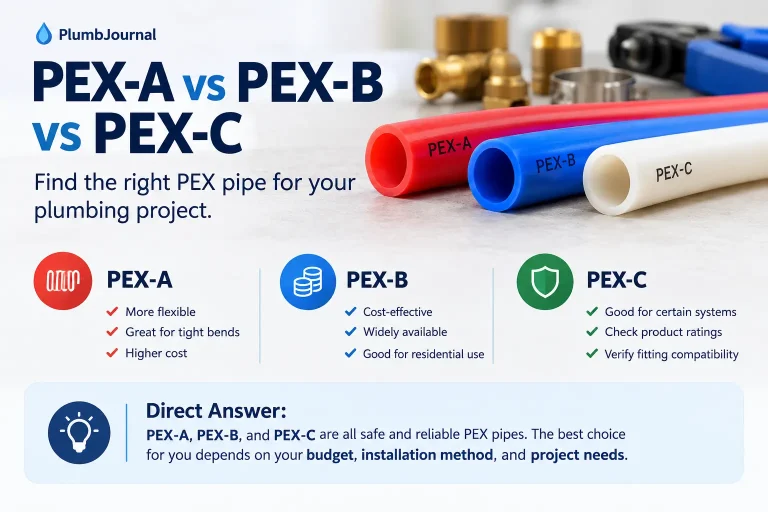
There are several types of PEX tubing, including PEX-A and PEX-B. They differ in manufacturing methods and some performance characteristics.
PEX-A is made using a peroxide, or Engel, process. PEX-B is commonly made using a silane-based process. Neither type is automatically the best choice for every project.
If you want to understand these differences in more detail, read our guide to PEX-A vs. PEX-B.
For a broader overview of PEX tubing, its uses, and its limitations, see our guide to what PEX plumbing is.
Why Can Kitec Plumbing Fail?
Kitec plumbing has a documented history of problems involving certain brass fittings and other system components. These problems can lead to leaks and water damage.
One known concern is dezincification. This is a form of corrosion in which zinc is selectively removed from brass. It can weaken affected fittings and contribute to failure.
Other concerns include pipe deterioration and damage to individual components. The exact condition of a system can vary, so not every Kitec installation will show the same warning signs.
Common warning signs of Kitec failure
Look for these signs in areas where the pipes and fittings are visible:
- White residue or buildup on brass fittings
- Blackening or discoloration of the pipe
- Bulging or swelling of the pipe
- Water stains near plumbing connections
- Damp cabinets, walls, ceilings, or floors
- Unexpected leaks or reduced water flow
White residue can be an early warning sign of a problem with a fitting. Blackening or bulging can also indicate pipe deterioration.
However, these signs do not confirm the exact cause of a problem. Other plumbing issues can produce similar symptoms.
If you notice a leak, bulging pipe, or signs of corrosion, contact a licensed plumber. Do not wait for a small leak to cause major water damage.
How to Identify Kitec Pipes in Your Home
Identifying Kitec is an important first step before planning a repair or replacement. You may be able to spot the system in areas where plumbing is exposed.
1. Check the pipe markings
Look for product names printed along the pipe. These may include Kitec, PlumbBetter, IPEX AQUA, WarmRite, or other related product names.
You may also find markings on the fittings. Some Kitec fittings have the words “Kitec” or “KTC” stamped on them.
Do not rely on one marking alone if the identification is uncertain. A plumber can inspect the system and confirm its type.
2. Look at the pipe colors
Kitec pipes were commonly sold in orange and blue. Orange was often used for hot water, while blue was often used for cold water.
However, Kitec was also sold in red, gray, and black. Other plumbing products can use the same colors.
Pipe color alone cannot confirm that a system is Kitec.
3. Inspect accessible plumbing areas
Start with places where the pipes are easy to see:
- Near the water heater
- In the utility or mechanical room
- Under kitchen sinks
- Under bathroom sinks
- Near exposed pipe connections
Use a flashlight to check the visible pipe markings and fittings. Do not cut into walls or remove pipe sections just to identify the system.
If the plumbing is concealed, a plumber may need to inspect accessible sections or use other methods to determine what is installed.
For reference, the official Kitec settlement website provides photos of Kitec pipes and fittings.
PEX vs. Kitec: Which Is Better?
For many homeowners replacing an existing Kitec system, modern PEX is a practical option to discuss with a qualified plumber.
PEX is widely used in residential plumbing. It is flexible, available in several product types, and can be installed with compatible fittings and approved connection methods.
However, the best replacement depends on the building, plumbing layout, water supply, and local code.
Advantages of modern PEX
Flexible installation: PEX can bend around many obstacles. This can help installers route pipes through suitable wall and floor spaces.
Fewer joints in some layouts: Longer tubing runs may reduce the number of connections needed. Fewer joints can mean fewer potential leak points, provided the system is designed and installed correctly.
No aluminum core: Conventional PEX tubing does not have the aluminum layer found in Kitec’s composite pipe.
Several product options: PEX-A and PEX-B give installers different choices based on the job, product specifications, and connection system.
Useful for repiping: PEX may be a good choice when replacing aging plumbing, but the installer must select products approved for the application.
Limitations of PEX
PEX is not damage-proof. It can be damaged by unsuitable temperatures, certain chemicals, physical impacts, and incorrect installation.
It must also be protected and installed according to the manufacturer’s instructions and applicable plumbing codes. Outdoor exposure, freezing conditions, and other site factors may require specific precautions.
If you are considering a PEX installation, our guide to why PEX plumbing can have disadvantages explains common concerns.
Copper is another possible replacement material. Your choice should depend on the building, budget, installation requirements, and plumber’s recommendations. See our guide to PEX vs. copper plumbing for a wider comparison.
Should You Repair Kitec or Replace It?
The right decision depends on the condition of the existing system.
A small leak does not always mean every pipe in the building has failed. However, replacing one fitting does not prove that the rest of an aging Kitec system is problem-free.
A licensed plumber can inspect the affected area and assess the accessible pipes and fittings. They can then explain whether a targeted repair or a larger repiping project is appropriate.
When a repair may be considered
A plumber may recommend a targeted repair when the problem is limited and the rest of the system can be assessed with reasonable confidence.
The repair must use compatible parts and an approved method. Do not assume that any generic PEX fitting can connect directly to Kitec pipe.
When full replacement may make sense
A wider replacement may be worth considering when:
- Several fittings show signs of corrosion.
- The pipes show blackening, swelling, or deterioration.
- The system has experienced repeated leaks.
- A professional inspection identifies widespread concerns.
- An insurer or property transaction creates a need to assess replacement options.
Even without a visible leak, an inspection can help you understand the condition of the system and the risk of leaving it in place.
What happens when Kitec is replaced with PEX?
A typical repiping project may involve these steps:
- Inspect the existing system. The plumber identifies the pipe type, accessible fittings, leak history, and plumbing layout.
- Plan the replacement. The installer decides which pipes and connections need replacement and how to access concealed areas.
- Select compatible materials. The new tubing, fittings, valves, and other parts must be suitable for the intended use.
- Install the new system. The plumber routes and secures the pipes according to product instructions and local requirements.
- Test the installation. The new plumbing is tested using the required procedure before the system is returned to normal use.
- Complete the restoration. Opened walls, ceilings, or other surfaces may need repairs.
The actual process depends on the size of the property and how the original pipes were installed.
How Much Does It Cost to Replace Kitec With PEX?
The cost of replacing Kitec with PEX depends on more than the price of the tubing. Labor and access to the existing plumbing can make up a large part of the total project cost.
Common cost factors include:
- Home size and number of plumbing fixtures
- Length and layout of the existing pipes
- Whether the pipes are exposed or hidden behind walls
- Number of fittings, valves, and connections to replace
- Local labor rates and permit requirements
- Drywall, flooring, or ceiling repairs
- Inspection and testing requirements
A small repair may cost much less than a whole-house repiping project. Homes with concealed pipes or difficult access may need more labor and restoration work.
Get written estimates from qualified plumbers. Ask each contractor to explain what the quote includes, which materials will be used, whether permits are needed, and what warranty applies.
For more help planning a repiping budget, use our repipe cost calculator. Treat any calculator result as an estimate, not a final contractor quote.
Does Kitec Plumbing Affect Home Insurance or Resale Value?
Kitec plumbing can raise questions during insurance reviews, home inspections, and property sales. However, the outcome depends on the insurer, property, policy terms, and state requirements.
Some insurers may restrict coverage or ask for more information about a Kitec system. Others may assess the risk differently. Do not assume that every insurer has the same rules.
If you own a home with Kitec plumbing, consider these steps:
- Contact your insurer and ask about the specific system in your property.
- Request a plumbing inspection if the condition is uncertain.
- Keep copies of inspection reports and repair invoices.
- Ask whether replacement is required for coverage or renewal.
- Review local disclosure requirements before selling the property.
If you are buying a home with Kitec, ask the seller for any available plumbing reports and replacement records. You can also request an inspection and obtain an estimate before making a decision.
Disclosure rules vary by state. Consult a qualified real estate professional or attorney if you need advice about your legal obligations.
What About the Kitec Class-Action Settlement?
The Kitec plumbing system was the subject of a class-action settlement in the United States and Canada. The official settlement website lists January 9, 2020, as the original claim filing deadline.
The settlement administrator’s website reported in July 2025 that settlement payments had been issued and the deadline for cashing checks had passed.
If you previously filed a claim but have a question about a payment, contact the administrator using the details on the official Kitec settlement website.
Do not assume that a new claim can be filed under the original settlement. Check the administrator’s current information for guidance about an existing claim or payment.
Final Verdict: PEX vs. Kitec
PEX and Kitec have different pipe construction and performance concerns. Kitec has a documented history of problems involving certain fittings and pipe components, while modern PEX is widely used for residential plumbing.
If your home has Kitec, start by confirming the pipe type and arranging a professional inspection. Do not wait for a leak if you already see signs of corrosion, blackening, or bulging.
If replacement is recommended, compare suitable materials, connection systems, written estimates, and warranties before choosing a contractor. Modern PEX may be a practical replacement, but the final decision should match your home’s plumbing needs and local requirements.